🚨“U.S. Senator Under Fire: Kelly Slammed by Critics for Questioning Trump’s Iran Strikes as War Powers Debate Erupts Across America”
Democratic Lawmakers Split With White House After U.S.–Israel Strikes on Iran
Washington, D.C. — A sweeping U.S.–Israeli military operation targeting Iran’s top leadership has triggered sharp divisions in Washington, with prominent Democratic lawmakers questioning the strategy behind the strikes even as the White House portrays them as a decisive blow against a longtime adversary.
The debate intensified after reports confirmed that the joint operation eliminated Iran’s Supreme Leader and several senior military and intelligence officials, marking one of the most consequential escalations in the region in decades.
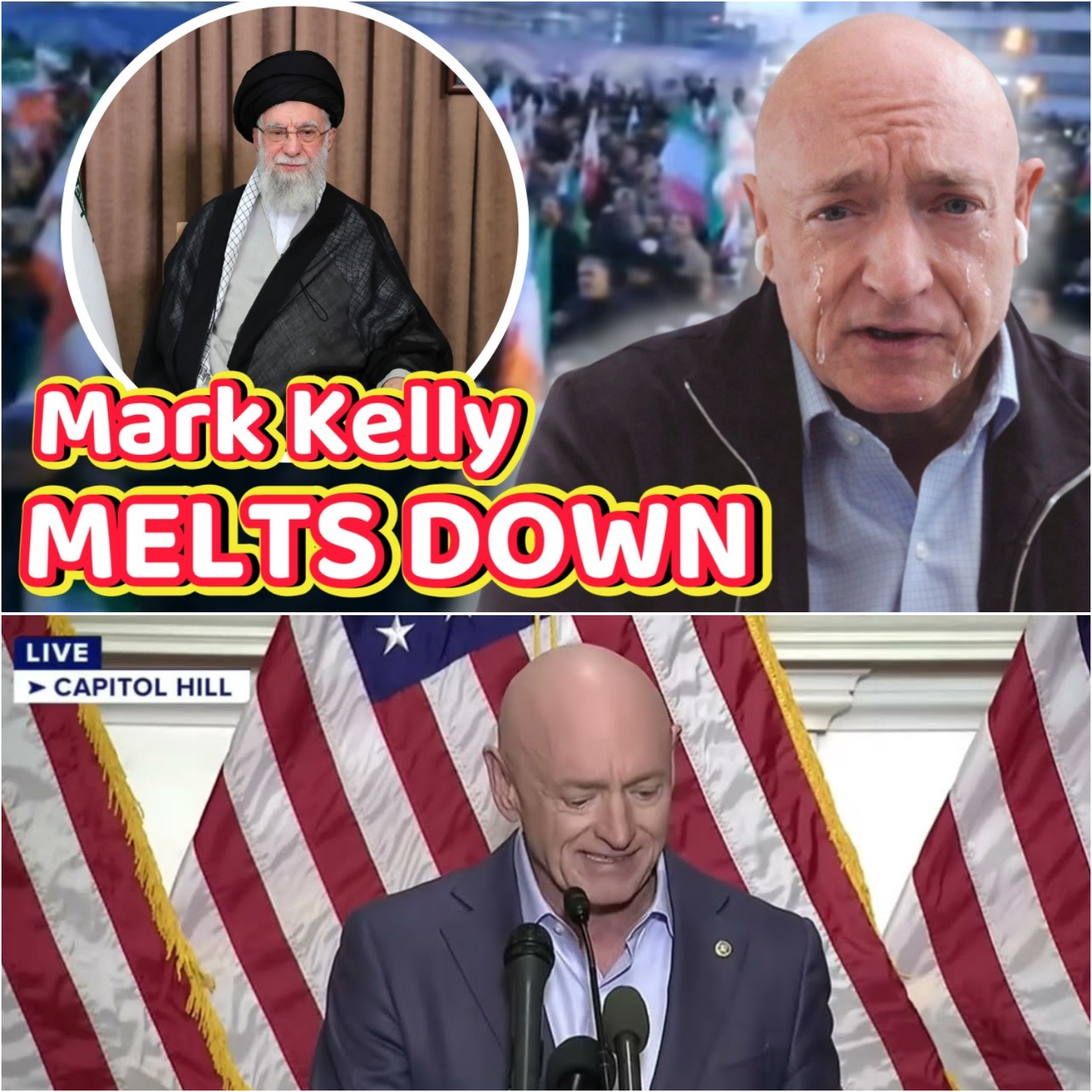
At the center of the domestic political storm are Senator Mark Kelly of Arizona and New York City Mayor Zohran Mamdani, both of whom publicly criticized the administration’s approach within hours of the announcement.
A “Decapitating” Strike
Coordinated U.S.–Israeli Operation
According to U.S. officials, the operation involved hundreds of coordinated strikes by American and Israeli forces against Iranian military infrastructure, air defenses, and leadership compounds. Among those killed, officials said, were senior commanders of the Islamic Revolutionary Guard Corps and close advisers to the Supreme Leader.
Israeli sources described the mission as a “decapitating operation” designed to dismantle Iran’s command structure and disrupt its ability to project power through allied groups across the Middle East.
For years, Israeli leaders have argued that Tehran serves as the financial and logistical backbone for militant organizations including Hamas, Hezbollah, the Houthis, and Palestinian Islamic Jihad. American intelligence assessments have broadly supported that view, though the scale and scope of the latest strikes represent a dramatic escalation.
Thus far, U.S. defense officials report no American or Israeli military casualties connected to the operation.
Mark Kelly Questions Strategy
“No Real Plan Here”
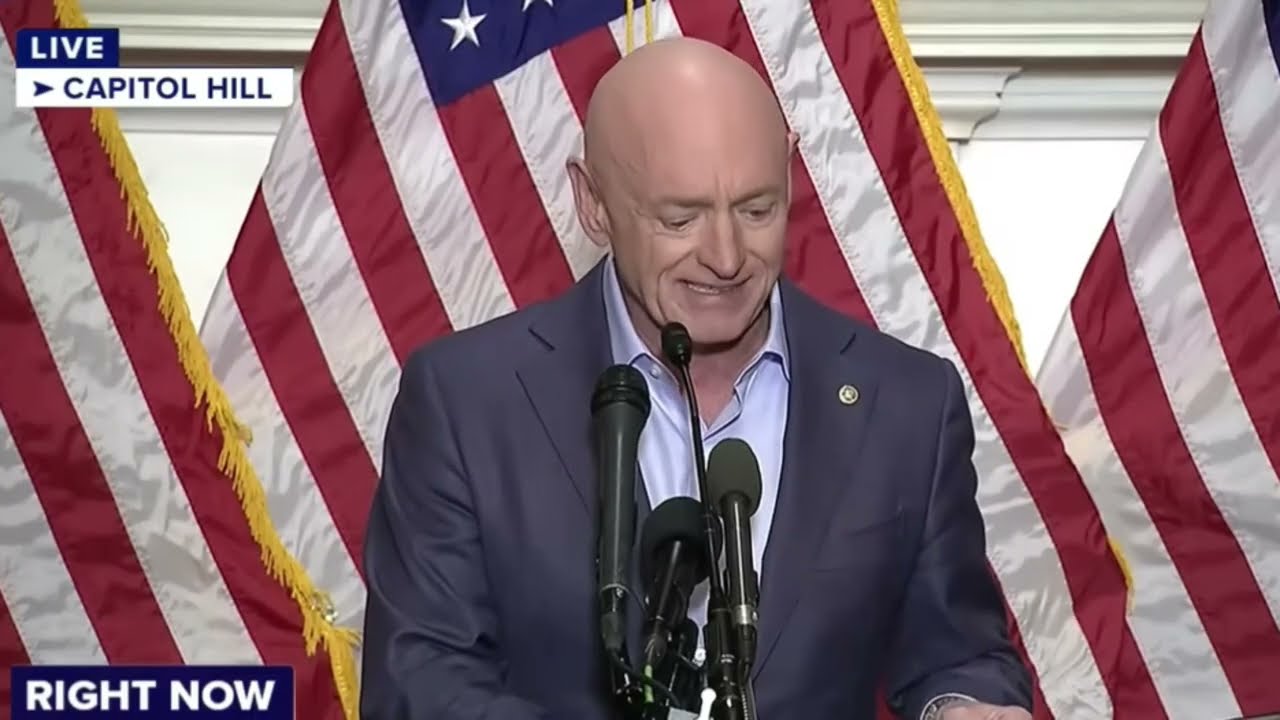
Senator Mark Kelly, a former Navy combat pilot and NASA astronaut, voiced skepticism about the long-term strategy behind the strikes.
“Often these things do not go the way people think they do,” Kelly said in a morning statement. “There’s no real plan here.”
Kelly argued that while certain tactical strikes may appear operationally successful, their broader strategic consequences remain uncertain. He referenced earlier military actions against Iran, suggesting that previous operations achieved limited long-term impact despite short-term gains.
The senator also criticized the administration’s withdrawal from the prior Iran nuclear agreement during President Donald Trump’s first term, arguing that it accelerated Tehran’s uranium enrichment efforts.
Calls for Congressional Oversight
Kelly emphasized that Congress should play a central role in authorizing extended military engagements.
“We need an answer,” he said. “What is the strategy? What is the goal? And we need a vote in the United States Congress.”
His remarks reflect broader Democratic concerns about executive war powers and the potential for mission creep, particularly in a region where past U.S. interventions have evolved into prolonged conflicts.
Mayor Mamdani Warns of Escalation
“A Catastrophic Escalation”
New York City Mayor Zohran Mamdani delivered one of the strongest condemnations of the operation, describing it as “a catastrophic escalation in an illegal act of war.”
“Americans do not want another war in pursuit of regime change,” Mamdani said, linking the strikes to broader anxieties about economic instability at home.
The mayor framed his concerns through the lens of post-9/11 history, warning against repeating what he characterized as the devastating consequences of past regime-change efforts in the Middle East.
Security Measures in New York
At the same time, Mamdani sought to reassure New Yorkers, particularly members of the Iranian American community.
“You are a part of the fabric of this city,” he said, pledging increased coordination among local law enforcement and emergency management agencies to safeguard sensitive sites.
City officials confirmed heightened patrols at religious institutions, diplomatic facilities, and other locations deemed potentially vulnerable.
The White House Defends Its Approach
Measuring Success
Administration officials have characterized the strikes as a strategic success, arguing that they significantly degraded Iran’s military leadership while minimizing American casualties.
Supporters of the operation point to a series of military actions over the past year — including strikes on Hezbollah and Hamas — as evidence of effective coordination between the United States and Israel.
From this perspective, the elimination of Iran’s top leadership represents the culmination of months of planning, intelligence gathering, and incremental pressure.
Economic and Political Costs
Yet even some allies acknowledge the economic toll. Defense expenditures related to Middle Eastern operations have surged, and markets remain sensitive to any indication of a broader regional conflict.
Critics argue that while the tactical outcome may be favorable, the long-term political and financial consequences remain unpredictable.
Broader Implications for U.S. Foreign Policy
Risk of Ground Conflict
One of the most pressing questions now facing policymakers is whether the air campaign could lead to a deeper ground conflict.
Kelly and other lawmakers have warned against deploying U.S. troops inside Iran, citing the risk of prolonged warfare and escalating costs.
“I’m really concerned about troops on the ground,” Kelly said. “We don’t need that.”
Regional Stability at Stake
Analysts note that power vacuums in authoritarian systems can produce unintended consequences. While removing senior leaders may disrupt command structures, it can also trigger factional struggles or retaliatory actions by proxy groups.
Iran’s network of regional allies remains intact, and experts caution that asymmetric responses — including cyberattacks or maritime disruptions — are possible.
A Divided Political Landscape
The strikes have crystallized a familiar divide in American politics: one side emphasizing decisive military strength against adversaries, the other warning of overreach and unintended escalation.
Even among critics, however, there is acknowledgment that the administration owes the public continued communication and transparency as events unfold.
The White House has indicated that further briefings to congressional leaders are forthcoming, though officials have not clarified whether additional strikes are planned.
What Comes Next?
With Iran’s leadership structure severely disrupted and tensions running high across the region, the next phase remains uncertain.
Will Tehran retaliate directly or through proxy forces? Will diplomatic channels reopen amid the upheaval? And how will Congress assert its role in shaping the trajectory of U.S. involvement?
For now, Washington finds itself navigating a precarious moment — one that could redefine American engagement in the Middle East for years to come.
As lawmakers debate strategy and cities bolster security at home, the world watches closely, aware that the consequences of this week’s events may extend far beyond the battlefield.
News
BREAKING: U.S. Labels Iran “State Sponsor of Wrongful Detention” as Tensions Soar — Marco Rubio Issues Stern Warning Over American Detainees and Escalating Middle East Conflict
BREAKING: U.S. Labels Iran “State Sponsor of Wrongful Detention” as Tensions Soar — Marco Rubio Issues Stern Warning Over American Detainees and Escalating Middle East Conflict U.S. Accuses Iran of Detaining Americans as Tensions Reach Boiling Point Washington, D.C. —…
“Tensions Erupt at U.S. City Hall: Heated Debate Over Islamic Influence in Local Politics Leaves Officials Under Intense Public Scrutiny”
“Tensions Erupt at U.S. City Hall: Heated Debate Over Islamic Influence in Local Politics Leaves Officials Under Intense Public Scrutiny” Confrontation in Dearborn: Free Speech, Policing and a City Under Scrutiny On a recent afternoon in Dearborn, a confrontation between…

“Heated Debate Takes a Sharp Turn: Woman Defends Islam as Peaceful — Then Gad Saad Asks One Question That Leaves the Room in Stunned Silence”
“Heated Debate Takes a Sharp Turn: Woman Defends Islam as Peaceful — Then Gad Saad Asks One Question That Leaves the Room in Stunned Silence” Democracy, Faith and the Fault Lines of Citizenship . . . On a recent evening…

Oğlu, annesinin mezarının açılmasını ŞİDDETLE TALEP ETTİ. Ve tabut açıldığında POLİS çağrıldı
Oğlu, annesinin mezarının açılmasını ŞİDDETLE TALEP ETTİ. Ve tabut açıldığında POLİS çağrıldı Berlin’in dar, loş bir sokağındaki küçük dairesinde, Tuncay Karadeniz sabah kahvesini yudumluyordu. Soğuk bir Kasım günüydü. Pencereden süzülen soluk ışık, masanın üzerindeki pasaportu ve annesinin son doğum gününde…

Milyoner, annesini evsiz bir gence yaslanmış görünce donup kaldı… sonra onlara doğru koştu
Milyoner, annesini evsiz bir gence yaslanmış görünce donup kaldı… sonra onlara doğru koştu İstanbul’un kalbi, Taksim Meydanı’nın hareketli uğultusu. Her yer Aralık ayının keskin, soğuk ışığıyla yıkanıyordu. Siyah, zırhlı bir Mercedes Sınıfı, kırmızı ışıkta beklerken, içeride Kemal Demir oturuyordu. Daha…

Öğretmen, öğrencinin saçını sınıfta görünce hemen kesti. Sonrasında yaşananlar ise herkesi şok etti
Öğretmen, öğrencinin saçını sınıfta görünce hemen kesti. Sonrasında yaşananlar ise herkesi şok etti Sabah güneşi lise sınıfını aydınlatıyor ve yere yansıyordu. Kız sessizce masasında oturmuş, resim çiziyor ve dersin başlamasını bekliyordu. Uzun, kıvırcık saçları onun için özeldi; ona her…
End of content
No more pages to load